 +84855336622
 sales.attfloor@gmail.com


-
-
-
Total payment amount:
-


SPC Flooring vs Laminate Flooring: Which Is Better in 2026?
Friday,
29/05/2026
0
Choosing the right flooring material has become more important than ever in modern interior design. Homeowners, contractors, and commercial buyers are no longer looking only at appearance — they also care about durability, waterproof performance, maintenance costs, and long-term value.
Among the most popular flooring options today, SPC flooring and laminate flooring continue to dominate the market because of their affordability and attractive wood-like appearance. At first glance, both products may look similar, but their structure, performance, and practical advantages are quite different.
In recent years, SPC flooring has gained significant popularity because of its waterproof rigid core structure and better dimensional stability. Laminate flooring, however, still remains a popular option for dry indoor environments because of its warm underfoot feeling and competitive pricing.
In this guide, ATTFloor Company will compare SPC flooring and laminate flooring in detail to help homeowners, distributors, and project buyers choose the right flooring solution in 2026.
1. What Is SPC Flooring vs Laminate Flooring?
1.1. What Is SPC Flooring?
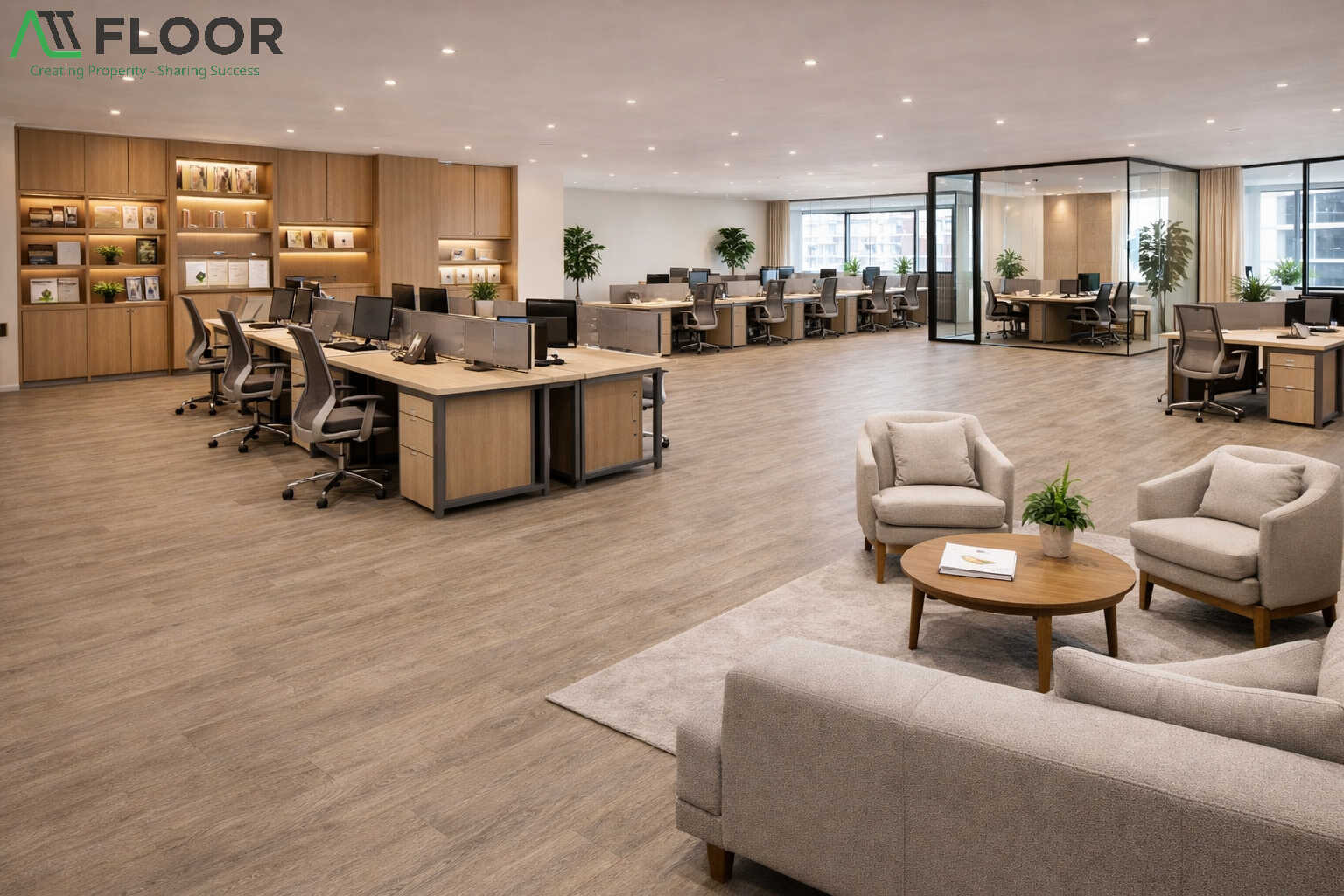
SPC flooring stands for Stone Plastic Composite flooring. It is a type of rigid core vinyl flooring made from limestone powder, PVC resin, and stabilizing materials.
The biggest advantage of SPC flooring is its waterproof structure and high dimensional stability. Unlike traditional flooring materials, SPC flooring performs very well in humid environments and is less likely to expand or deform due to moisture or temperature changes.
Modern SPC flooring is also available in a wide variety of realistic wood textures, stone visuals, matte finishes, and EIR surface designs, making it suitable for both residential and commercial interiors.
What Is SPC Flooring?
1.2. What Is Laminate Flooring?
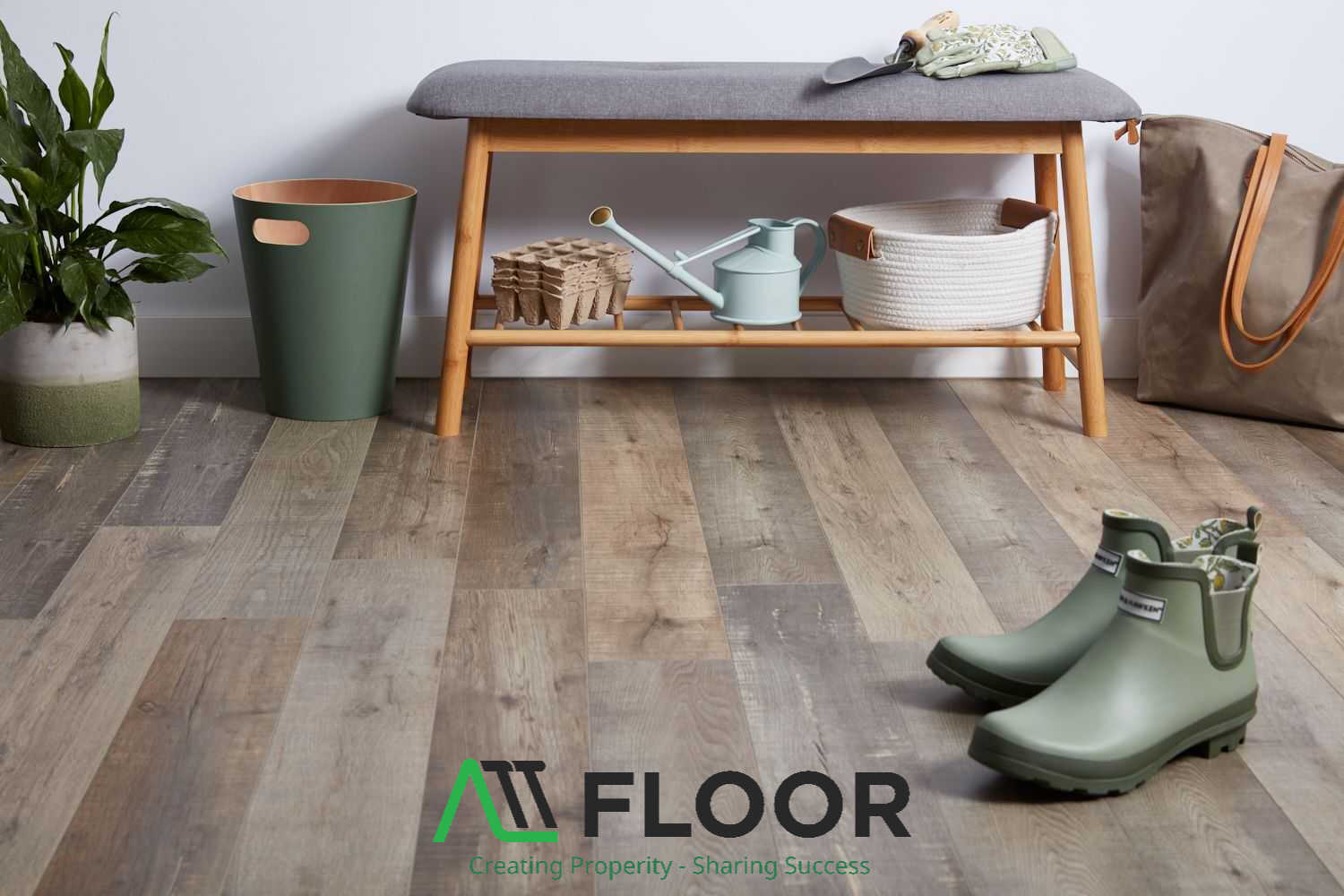
Laminate flooring is made from high-density fiberboard (HDF) combined with a printed decorative layer and protective surface coating.
Laminate flooring became popular because it offers the appearance of natural wood at a lower cost compared with traditional hardwood flooring. It also provides a relatively comfortable and warm feeling underfoot.
However, because laminate flooring contains wood-based materials, it is generally more sensitive to moisture exposure compared with SPC flooring. In humid conditions or areas with water spills, laminate flooring may experience swelling or edge expansion over time.
What Is Laminate Flooring?
2. SPC Flooring vs Laminate Flooring: Key Differences
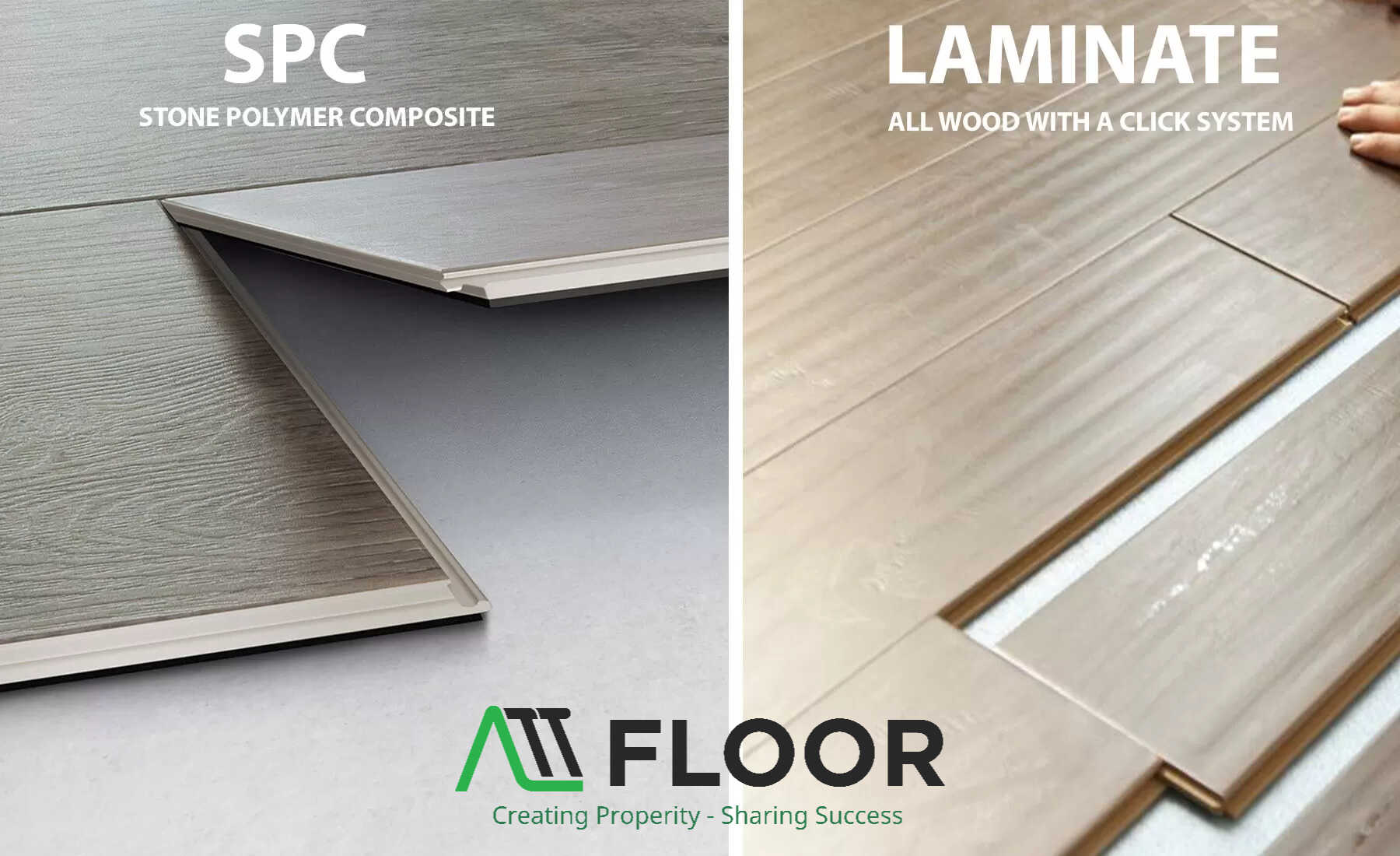
Although both flooring types are designed to replicate the appearance of wood flooring, their performance characteristics are quite different.
SPC Flooring vs Laminate Flooring: Key Differences
2.1. Waterproof Performance
One of the biggest differences between SPC flooring and laminate flooring is waterproof capability.
SPC flooring is completely waterproof because its rigid core is made from limestone powder and PVC materials that do not absorb moisture. This makes SPC flooring highly suitable for kitchens, bathrooms, laundry rooms, apartments, and commercial spaces where humidity and spills are common.
Laminate flooring, on the other hand, contains fiberboard materials that can absorb water. Prolonged exposure to moisture may cause swelling, warping, or edge damage.
For modern households and commercial environments where durability and moisture resistance are important, waterproof performance has become one of the key reasons why many buyers are switching from laminate flooring to SPC flooring.
2.2. Durability and Stability
SPC flooring is designed with a rigid core structure that provides excellent dimensional stability and impact resistance.
Compared with laminate flooring, SPC flooring is generally more resistant to dents, scratches, and heavy foot traffic. This makes it particularly suitable for commercial projects such as hotels, offices, restaurants, and retail stores.
Laminate flooring can still perform well in residential environments, but it is usually less resistant to moisture-related expansion and surface damage under heavy use.
For families with pets or children, SPC flooring often provides better long-term durability and easier maintenance.
2.3. Surface Appearance
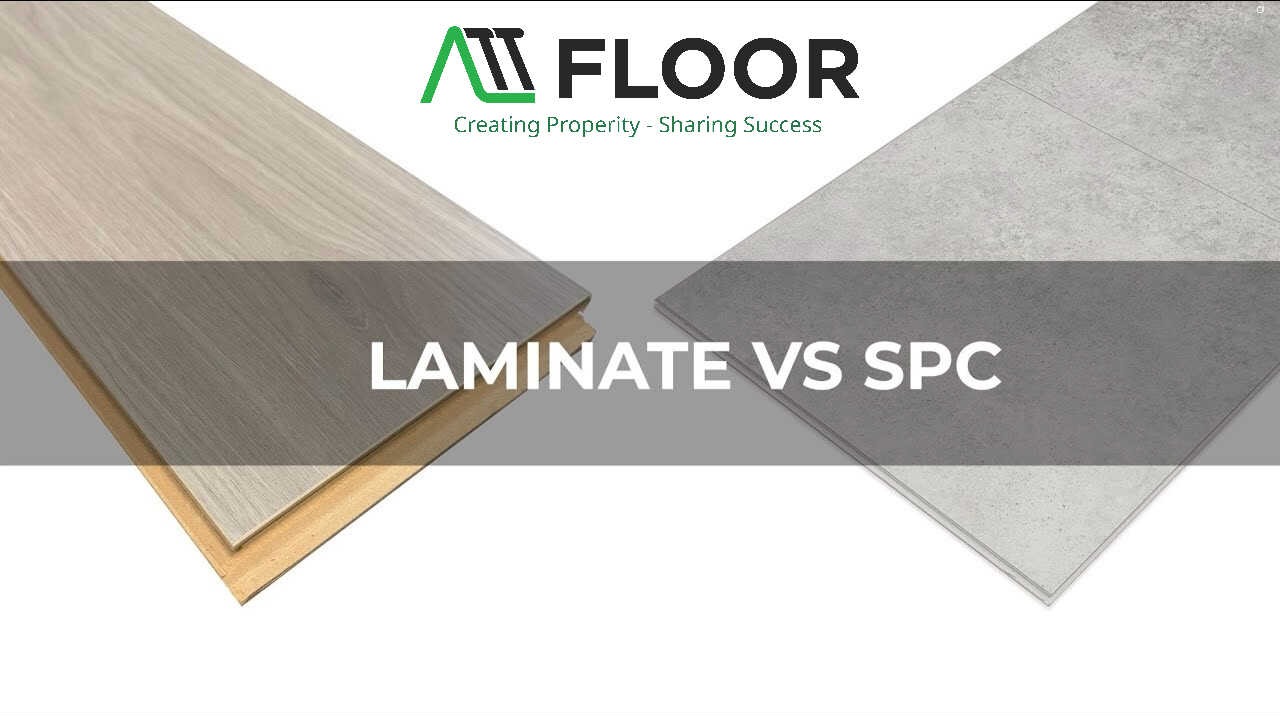
Both SPC flooring and laminate flooring are available in realistic wood textures and modern design styles.
However, SPC flooring technology has improved significantly in recent years. Premium SPC flooring products now feature EIR (Embossed In Register) technology, matte finishes, and wide plank designs that closely replicate the appearance of natural hardwood flooring.
Laminate flooring still offers attractive visuals, especially in residential bedrooms and living spaces, but SPC flooring has become increasingly competitive in terms of design realism and premium appearance.
Surface Appearance
2.4. Comfort Underfoot
Laminate flooring generally feels warmer and slightly softer underfoot because of its wood-based core structure.
SPC flooring, due to its rigid core composition, can feel firmer when walking. However, many modern SPC flooring products now include attached IXPE underlayment that improves comfort and reduces footstep noise.
For apartments and multi-story buildings, sound reduction has become an increasingly important factor, making underlayment quality a key consideration.
2.5. Installation Process
Both SPC flooring and laminate flooring commonly use click-lock installation systems that simplify the installation process.
SPC flooring is often easier to install in areas with minor subfloor imperfections because its rigid core provides better stability. In addition, SPC flooring can generally handle temperature fluctuations more effectively during installation.
This helps reduce installation issues in commercial projects and large residential renovations.
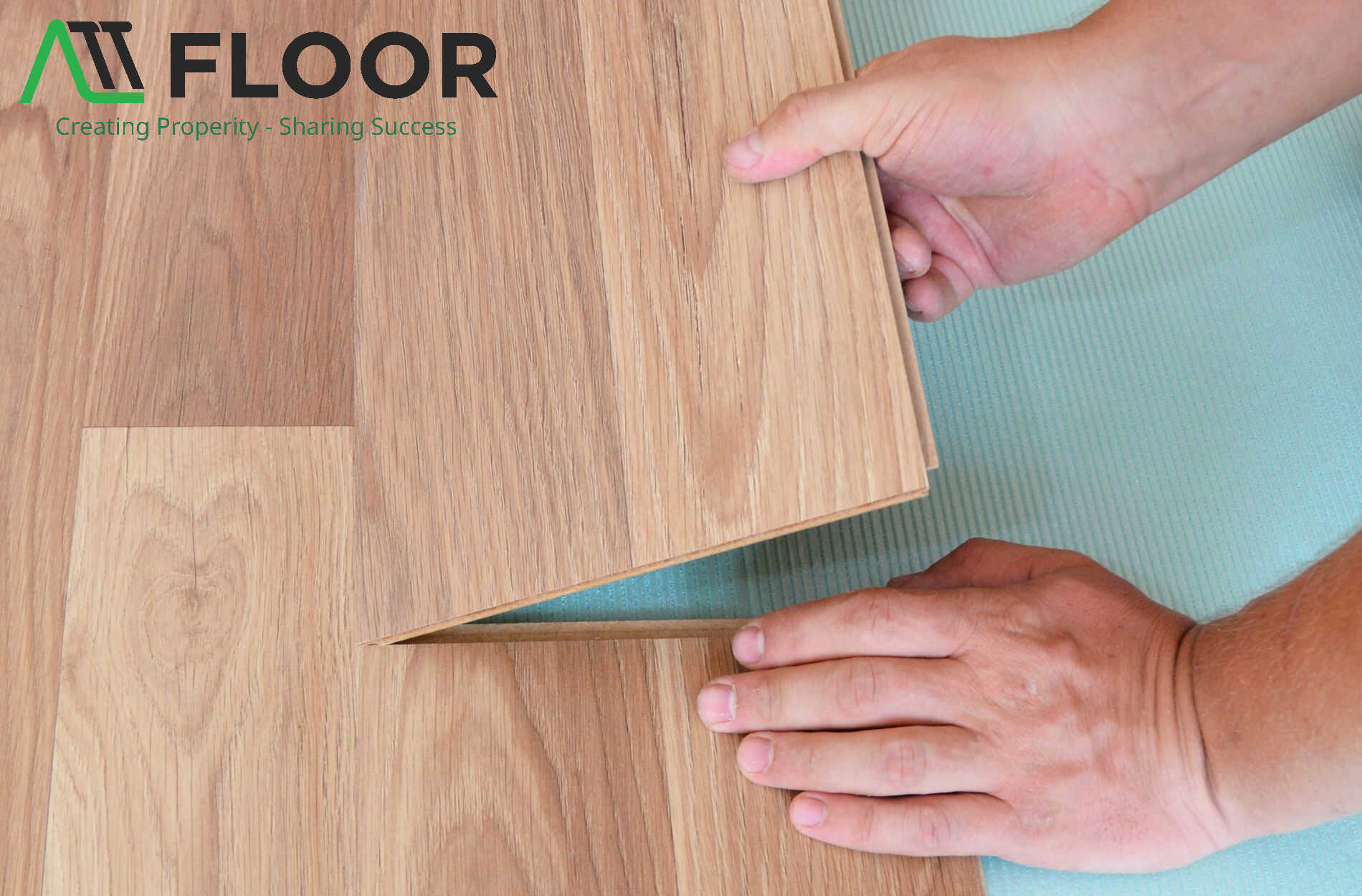
Installation Process
2.6. Maintenance Requirements
SPC flooring is very easy to maintain because of its waterproof and stain-resistant surface.
Daily cleaning usually requires only sweeping and occasional damp mopping. Since SPC flooring does not absorb moisture, it is easier to manage in busy households and commercial environments.
Laminate flooring also requires relatively simple maintenance, but excessive moisture exposure should be avoided to prevent long-term damage.
For buyers seeking low-maintenance flooring solutions, SPC flooring is often considered the more practical option.
3. SPC Flooring vs Laminate Flooring Comparison Table
| Feature | SPC Flooring | Laminate Flooring |
|---|---|---|
| Waterproof Performance | Excellent | Moderate |
| Durability | High | Medium |
| Scratch Resistance | High | Medium |
| Moisture Resistance | Excellent | Limited |
| Maintenance | Easy | Moderate |
| Installation | Easy | Easy |
| Comfort Underfoot | Medium | Better |
| Commercial Use | Excellent | Moderate |
| Dimensional Stability | Excellent | Moderate |
3.1. Which Flooring Is Better for Homes?
For modern households, SPC flooring has become increasingly popular because it offers a better balance between waterproof performance, durability, and low maintenance.
Families with children, pets, or active lifestyles often prefer SPC flooring because it can handle spills, scratches, and daily traffic more effectively.
Laminate flooring can still be a good option for dry indoor environments such as bedrooms where moisture exposure is minimal and a warmer underfoot feeling is preferred.
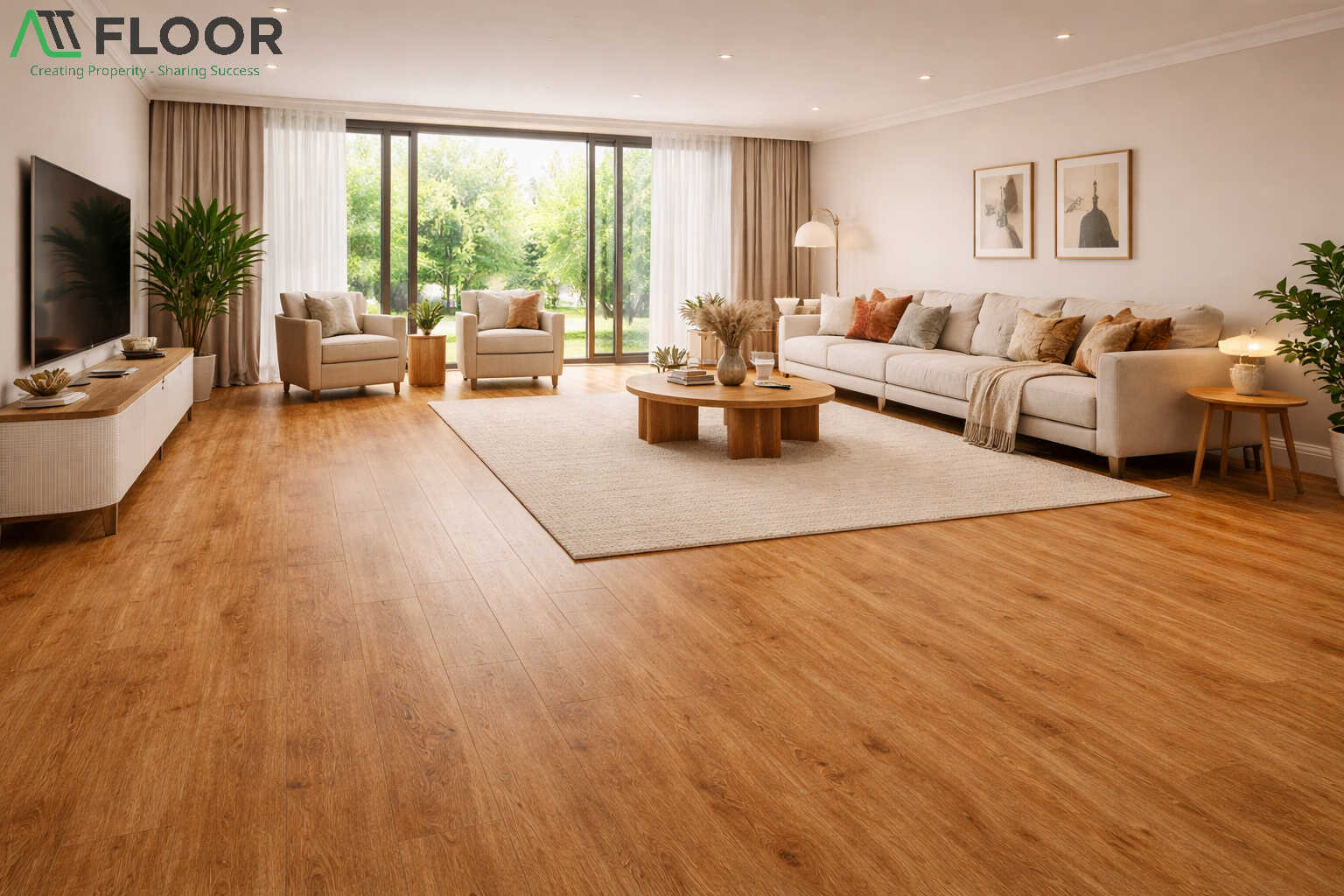
Which Flooring Is Better for Homes?
3.2. Which Flooring Is Better for Commercial Projects?
In commercial environments, SPC flooring is generally considered the better choice.
Hotels, offices, restaurants, retail stores, and apartment projects require flooring solutions that can withstand heavy traffic and frequent cleaning. SPC flooring provides better durability, moisture resistance, and long-term dimensional stability under these conditions.
Its waterproof structure also reduces maintenance risks and improves product lifespan in demanding commercial applications.
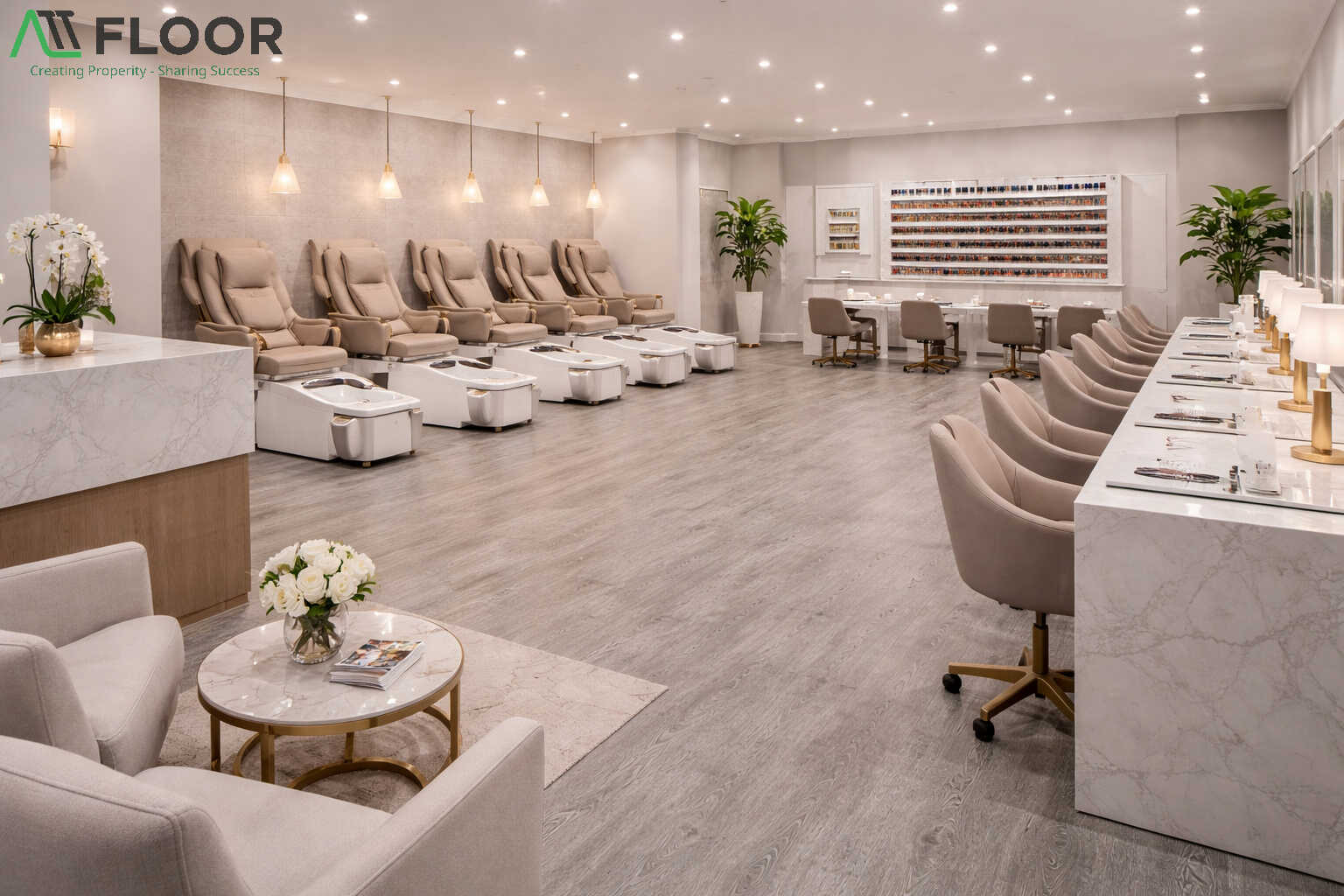
Which Flooring Is Better for Commercial Projects?
4. Why SPC Flooring Is Becoming More Popular in 2026
Global flooring trends continue to shift toward waterproof, low-maintenance, and durable flooring products.
Modern buyers are increasingly prioritizing:
-
Waterproof performance
-
Easy maintenance
-
Realistic wood visuals
-
Long-term durability
-
Commercial versatility
Because SPC flooring successfully combines all of these advantages, it continues to gain market share worldwide.
At the same time, modern design trends such as warm oak tones, matte finishes, and wide plank flooring have further increased the popularity of premium SPC flooring collections.
5. Final Thoughts
Both SPC flooring vs laminate flooring offer attractive wood-like visuals and practical advantages for modern interiors. However, their performance differences become more noticeable in real-life environments.
For buyers looking for waterproof performance, better durability, easier maintenance, and long-term stability, SPC flooring has become one of the best flooring solutions available in 2026.
As modern homes and commercial projects continue prioritizing durability and low maintenance, SPC flooring is expected to remain one of the fastest-growing flooring products worldwide.
-------------------------------------------------------------------------------------------------------------------
You can refer to Is SPC flooring installation really durable and worth the investment?
ATT FLOOR
Manufacturing factory: Km 7, National Highway 1A, Hoang Dong, Duy Tien, Ha Nam.
Phone/WsA: +84915961582.
Email: tom@attfloors.com.


SPC Flooring Factory in Vietnam: Inside the Manufacturing Process
Thursday,
03/09/2026


SPC Flooring Manufacturer in Vietnam: What International Buyers Should Know
Thursday,
20/08/2026
