 +84855336622
 sales.attfloor@gmail.com


-
-
-
Total payment amount:
-


How Long Does SPC Flooring Last?
Monday,
15/06/2026
0
"How long will it last?"
It's a reasonable concern. Flooring is not something people replace every year. Whether you're a homeowner renovating your living space, a contractor working on a project, or a distributor sourcing products for customers, durability plays a major role in the purchasing decision.
After all, beautiful flooring means very little if it starts showing signs of wear after only a few years.
The good news is that SPC flooring has earned a strong reputation for durability and long-term performance. Thanks to its rigid core structure, waterproof composition, and protective wear layer, SPC flooring is designed to withstand the challenges of everyday life far better than many traditional flooring materials.
But how long does SPC flooring actually last?
The answer depends on several factors, including product quality, wear layer thickness, installation quality, and maintenance practices. In this guide, we'll explore what determines the lifespan of SPC flooring and how homeowners and commercial buyers can maximize their investment.
1. The Average Lifespan of SPC Flooring
In general, high-quality SPC flooring can last between 15 and 25 years, and premium products can often exceed that range when properly installed and maintained.
For residential applications with moderate traffic, many SPC floors continue performing well for decades while maintaining their appearance and structural integrity.
In commercial environments with heavier foot traffic, lifespan may vary depending on the wear layer specification and maintenance routine. However, compared with many traditional flooring materials, SPC flooring consistently delivers excellent long-term value.
The reason is simple: SPC flooring is engineered to resist the most common causes of flooring failure, including moisture, scratches, dents, and dimensional instability.
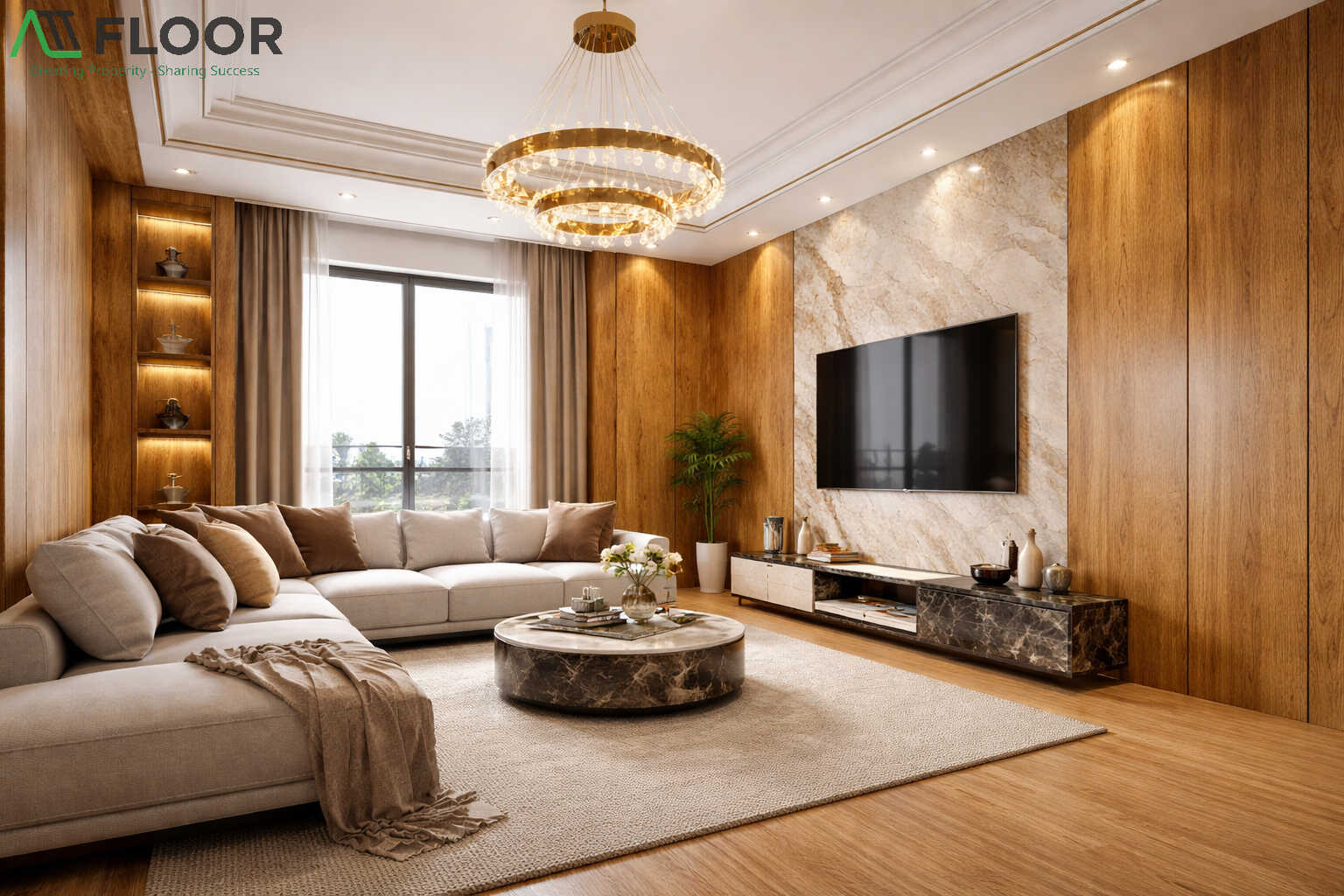
The Average Lifespan of SPC Flooring
2. What Makes SPC Flooring So Durable?
The longevity of SPC flooring comes from its multi-layer construction.
Each layer is designed to protect the flooring and contribute to long-term performance.
2.1. Rigid Core Technology
The SPC core is made from limestone powder and PVC materials.
Unlike wood-based flooring products, this rigid core does not absorb moisture and is less likely to expand or contract due to temperature fluctuations.
This dimensional stability helps prevent common flooring problems such as warping, swelling, and joint separation.
For homeowners living in humid climates, this is a major advantage.
2.2. Protective Wear Layer
The wear layer is one of the most important factors affecting flooring lifespan.
This transparent protective layer shields the decorative surface from scratches, stains, and daily wear.
Generally speaking:
-
0.2mm wear layer = Light residential use
-
0.3mm wear layer = Standard residential use
-
0.5mm wear layer = Heavy residential and light commercial use
-
0.7mm wear layer = Commercial environments
The thicker the wear layer, the better the flooring can withstand years of traffic and daily use.
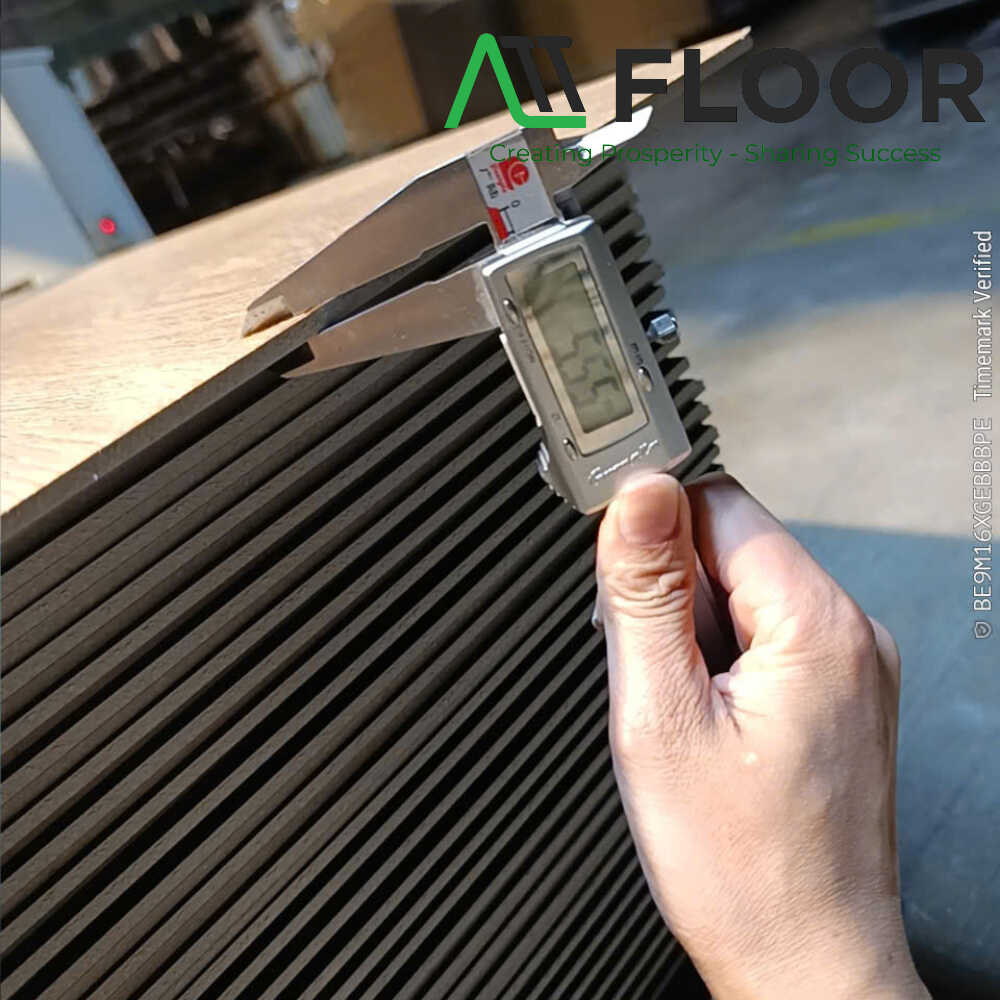
Protective Wear Layer
2.3. Waterproof Construction
Water damage is one of the biggest reasons traditional flooring needs replacement.
Hardwood flooring can warp. Laminate flooring can swell. Moisture can cause expensive repairs and shorten product lifespan.
Because SPC flooring is waterproof, it avoids many of these issues.
This significantly contributes to its ability to perform well over a long period of time.
3. Factors That Affect the Lifespan of SPC Flooring
Not all SPC flooring performs the same way.
Several factors influence how long the floor will last.
3.1. Product Quality
The biggest factor is the quality of the flooring itself.
Higher-quality SPC flooring typically uses:
-
Better raw materials
-
Higher density cores
-
Superior wear layers
-
More advanced manufacturing processes
Low-cost flooring may appear attractive initially but often sacrifices long-term durability.
For distributors and project buyers, choosing a reliable manufacturer is one of the most important decisions when evaluating flooring products.
3.2. Installation Quality
Even the best flooring can fail if installed incorrectly.
Proper subfloor preparation, expansion gaps, and installation techniques are essential for long-term performance.
Poor installation can create issues such as:
-
Joint separation
-
Uneven surfaces
-
Premature wear
-
Noise during walking
This is why professional installation is always recommended, especially for large projects.
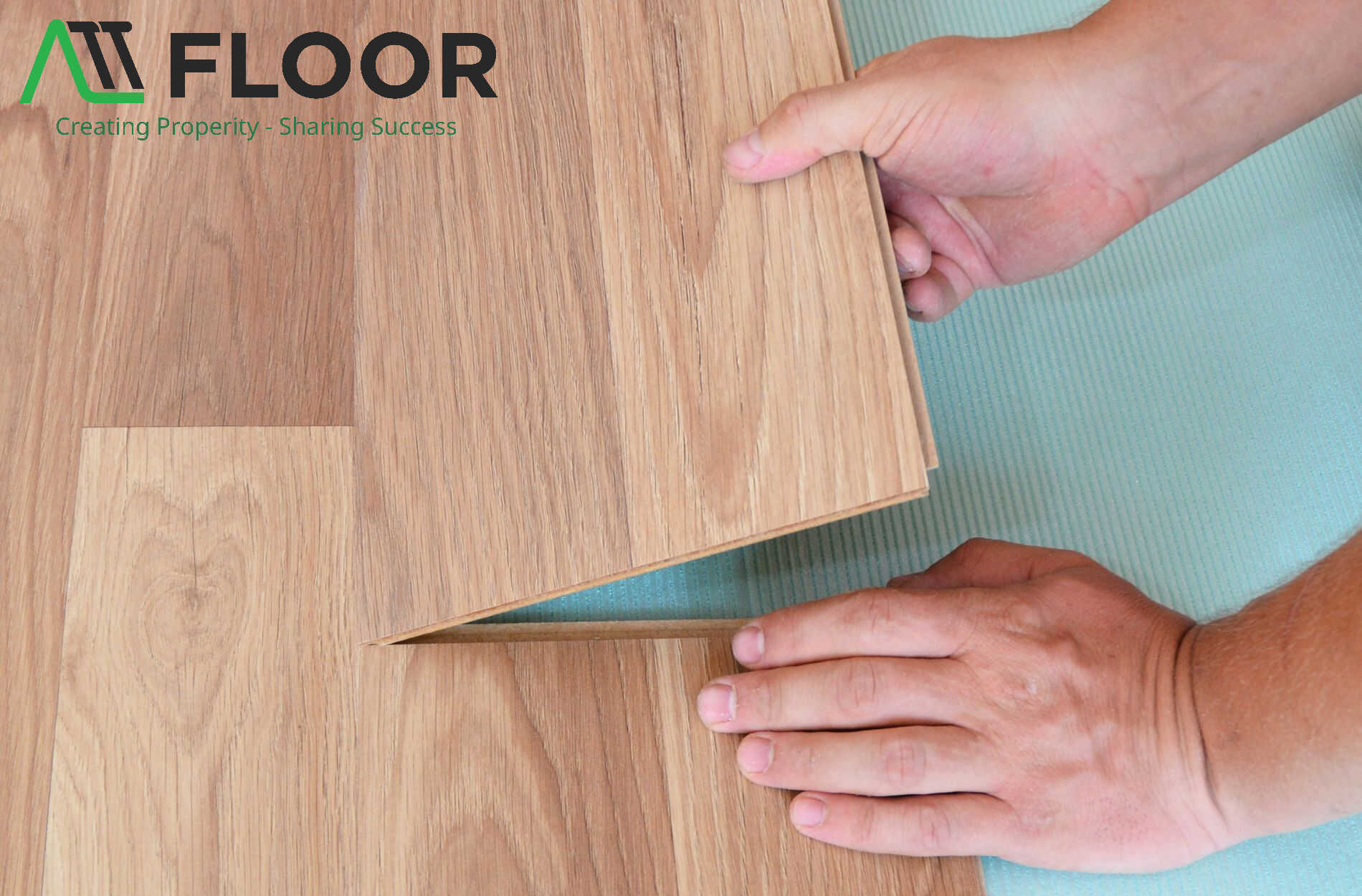
Installation Quality
3.3. Daily Traffic Levels
A guest bedroom and a hotel lobby experience very different levels of traffic.
The more traffic a floor receives, the faster the wear layer will experience abrasion.
This doesn't mean SPC flooring isn't suitable for commercial spaces—it simply means choosing the appropriate wear layer is critical.
For high-traffic environments, a thicker wear layer can dramatically extend product lifespan.
3.4. Maintenance Practices
One reason SPC flooring is so popular is that maintenance is relatively simple.
Regular sweeping and occasional damp mopping help remove dirt and debris that may gradually affect the surface.
Simple preventive measures such as furniture pads and entrance mats can also help preserve the flooring's appearance for many years.
4. SPC Flooring vs Other Flooring Types
Many buyers evaluate lifespan when comparing flooring options.
While hardwood flooring may last longer under ideal conditions, it often requires refinishing and significantly more maintenance.
SPC flooring offers a strong balance between longevity, affordability, waterproof performance, and ease of maintenance.
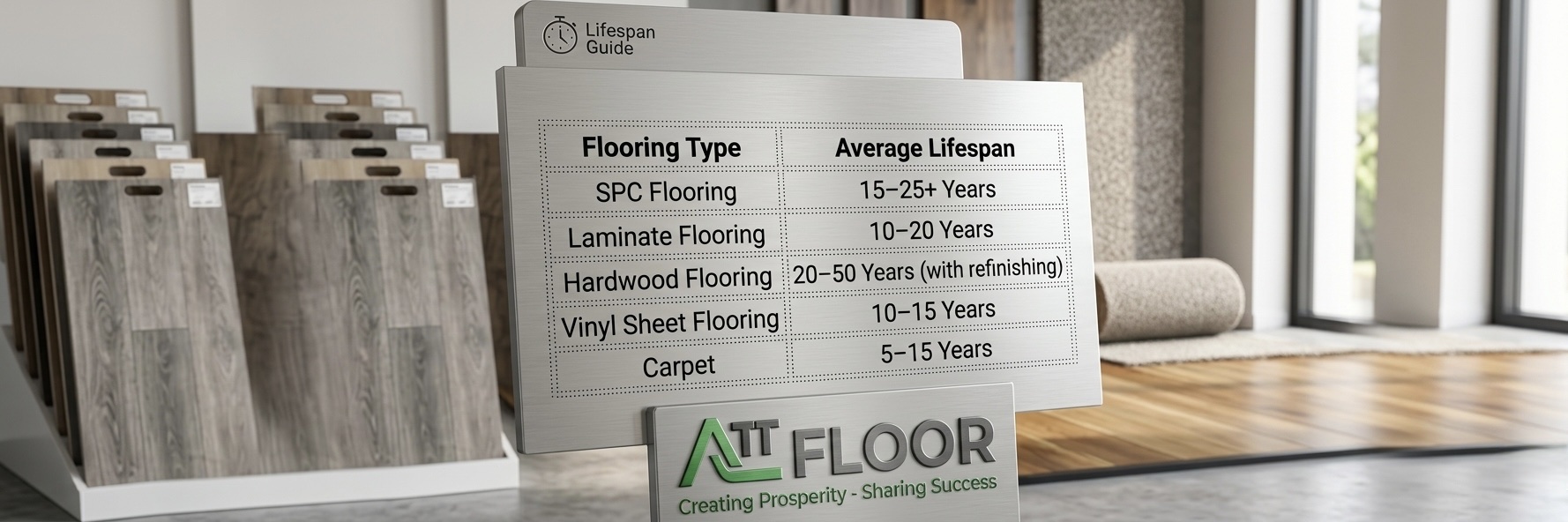
SPC Flooring vs Other Flooring Types
5. Signs of High-Quality SPC Flooring
If longevity is a priority, buyers should look beyond price alone.
High-quality SPC flooring typically includes:
-
Virgin raw materials
-
Consistent core density
-
Durable UV coating
-
Appropriate wear layer thickness
-
Precision click-lock system
-
Reliable quality control
These factors contribute directly to product performance and lifespan.
For distributors and importers, understanding these details can help reduce customer complaints and improve long-term satisfaction.
6. How to Make SPC Flooring Last Longer
While SPC flooring is already highly durable, a few simple practices can help maximize its lifespan.
6.1. Choose the Right Wear Layer
Select a wear layer that matches the intended application.
Higher traffic environments benefit from thicker wear layers.
6.2. Protect High-Traffic Areas
Use rugs or mats near entrances where dirt and debris are most likely to accumulate.
This helps reduce surface abrasion over time.
6.3. Use Furniture Pads
Furniture pads help prevent scratches caused by chairs, tables, and heavy furniture.
A small investment can significantly extend the appearance of the floor.
6.4. Follow Manufacturer Guidelines
Always follow installation and maintenance recommendations provided by the manufacturer.
Proper care helps ensure optimal long-term performance.
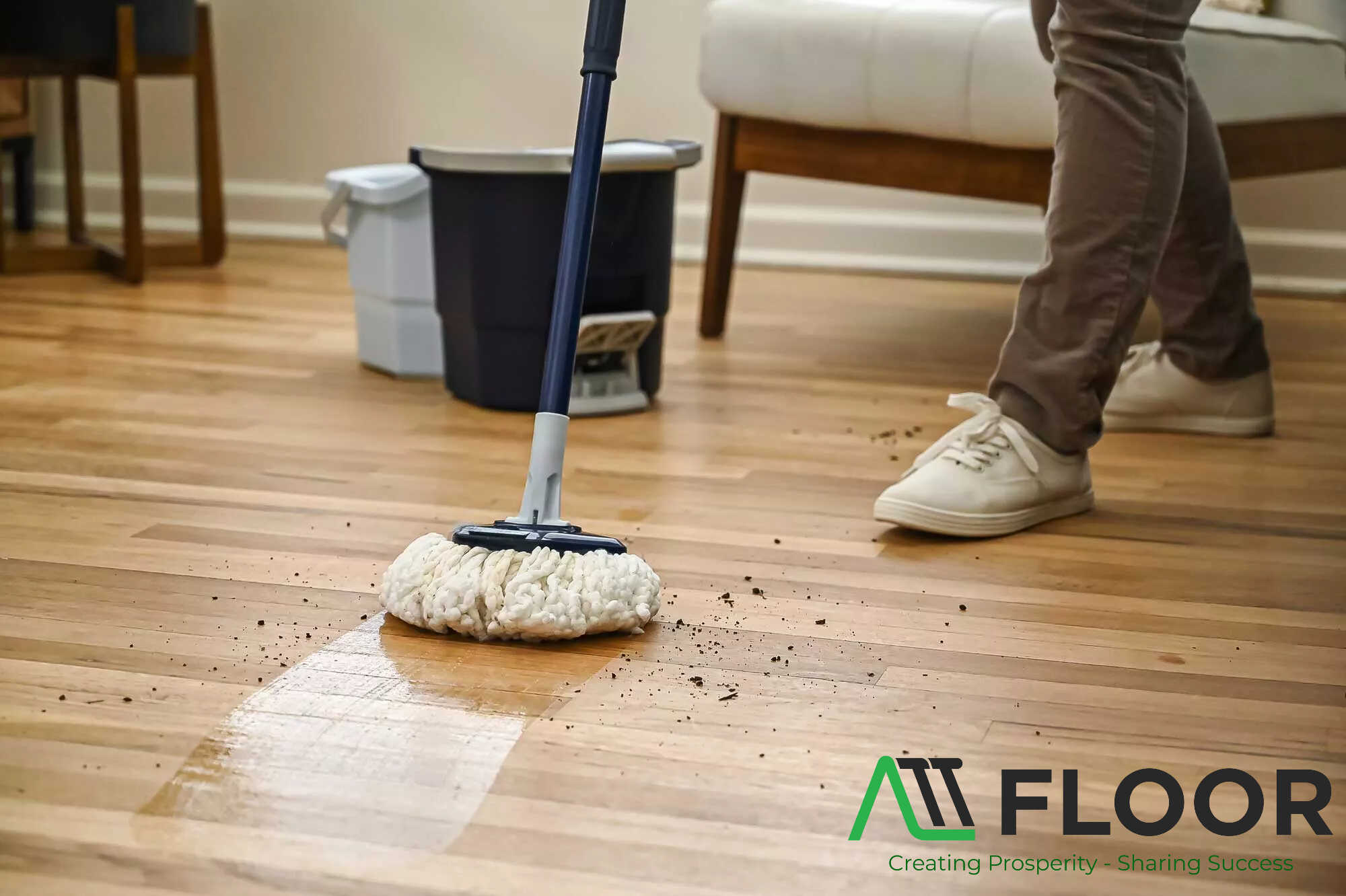
Follow Manufacturer Guidelines
7. Why Longevity Matters More Than Initial Cost
Many buyers focus heavily on purchase price.
However, experienced homeowners and project managers often look at the total cost of ownership.
A floor that lasts 20 years generally provides much better value than a cheaper floor that needs replacement after only a few years.
This is one reason SPC flooring continues gaining popularity worldwide.
It offers an attractive balance between affordability and long-term durability.
For many buyers, the real question isn't:
"How much does the floor cost today?"
It's:
"How much value will the floor deliver over the next 20 years?"
8. Frequently Asked Questions
8.1. Can SPC flooring last 20 years?
Yes. High-quality SPC flooring can easily last 20 years or more when properly installed and maintained.
8.2. Does SPC flooring scratch easily?
No. SPC flooring is designed with a protective wear layer that provides excellent scratch resistance compared with many traditional flooring materials.
8.3. Is SPC flooring durable enough for commercial use?
Yes. SPC flooring is widely used in hotels, offices, retail stores, and other commercial environments because of its durability and waterproof performance.
8.4. Does sunlight affect SPC flooring lifespan?
Modern SPC flooring typically includes UV protection that helps reduce fading. However, prolonged direct sunlight exposure should still be managed where possible.
9. Final Thoughts
SPC flooring has become one of the most trusted flooring solutions in today's market because it combines durability, waterproof performance, and long-term value.
With a typical lifespan of 15–25 years or more, SPC flooring offers homeowners and commercial buyers a practical investment that can withstand the demands of everyday life.
When paired with quality manufacturing, proper installation, and basic maintenance, SPC flooring can continue looking great and performing reliably for decades.
In the end, longevity isn't just about how long a floor survives—it's about how long it continues to deliver comfort, appearance, and value.
-------------------------------------------------------------------------------------------------------------------
You can refer to What Is SPC Flooring? Complete Beginner Guide
Manufacturing Factory 1: Km7, Ha Nam Ward, Ninh Binh Province, Vietnam
Manufacturing Factory 2: Kim Binh Cluster, Ha Nam Ward, Ninh Binh Province, Vietnam
Manufacturing Factory 3: Lot CN-1.7, Le Ho Industrial Cluster, Le Ho Ward, Ninh Binh
Phone/WsA: +84915961582
Email: tom@attfloors.com


How to Choose SPC Flooring Specifications for Your Market
Friday,
18/09/2026


SPC Flooring Factory in Vietnam: Inside the Manufacturing Process
Thursday,
03/09/2026
